Lost weight, returning weight, and lost muscle
Tirzepatide can ease hunger and make smaller meals feel enough. What did tirzepatide weight loss studies find over 72 weeks and afterward?
People receiving the same treatment didn’t all lose the same weight. Muscle made up part of the loss alongside fat. Later studies followed what remained when treatment continued or stopped.
How much can the average weight loss tell you?
Tirzepatide reduces the hunger that can make eating less difficult. This page follows the amount lost and the amount kept off. SURMOUNT-1's largest study amount brought 20.9% average loss over 72 weeks. Placebo shots, without tirzepatide, brought an average loss of 3.1%.
That loss exceeded earlier major weight-study findings before medicine approval. SURMOUNT-5 then compared tirzepatide directly with the other medicine, semaglutide. Average losses were 20.2% with tirzepatide and 13.7% with semaglutide. The difference was larger than chance could readily explain.
An average doesn't forecast how your own weight will change. Some patients lost less than 5% of their starting weight. Later studies found considerable regain when patients stopped receiving the medicine. Keeping the benefit often required care beyond the first weight loss.
Who joined SURMOUNT-1, and what tirzepatide weight loss followed?
2022: SURMOUNT-1 was a phase 3 study in 2,539 adults. These large tests examined excess weight, without type 2 diabetes. BMI comes from weight and height; 30 marks obesity. A score of 27 is within overweight; those joining needed a weight-related illness.
Chance assigned medicine or placebo, which contained no tirzepatide. Patients and staff were unaware of each person's assigned treatment. Shots went under the skin, with different medicine amounts compared. Your doctor can explain BMI alongside other health risks.
Amounts were 5 milligrams, 10 milligrams, or 15 milligrams of medicine. Milligrams measure shot contents, rather than the weight someone loses. The 72 weeks included a 20-week period of gradual increases [4]. That gave time to reach the assigned treatment amount.
At week 72, the 5 milligram group's average loss was 15.0%, against 3.1% with placebo. The 10 milligram average was 19.5%, against 3.1% with placebo. With 15 milligrams, average loss reached 20.9%, against 3.1% with placebo.
By 72 weeks, over half receiving 15 milligrams lost at least 20%. Only 3.1% with placebo reached that loss [4]. That's a fifth or more of the weight before treatment. Side effects mainly concerned the stomach during increases, with mild or moderate trouble.
SURMOUNT-CN also examined tirzepatide weight loss in Chinese adults with obesity [29]. At week 52, average loss with 15 milligrams was 17.5%, against 2.3% with placebo. The similar findings supported a benefit in another patient group.
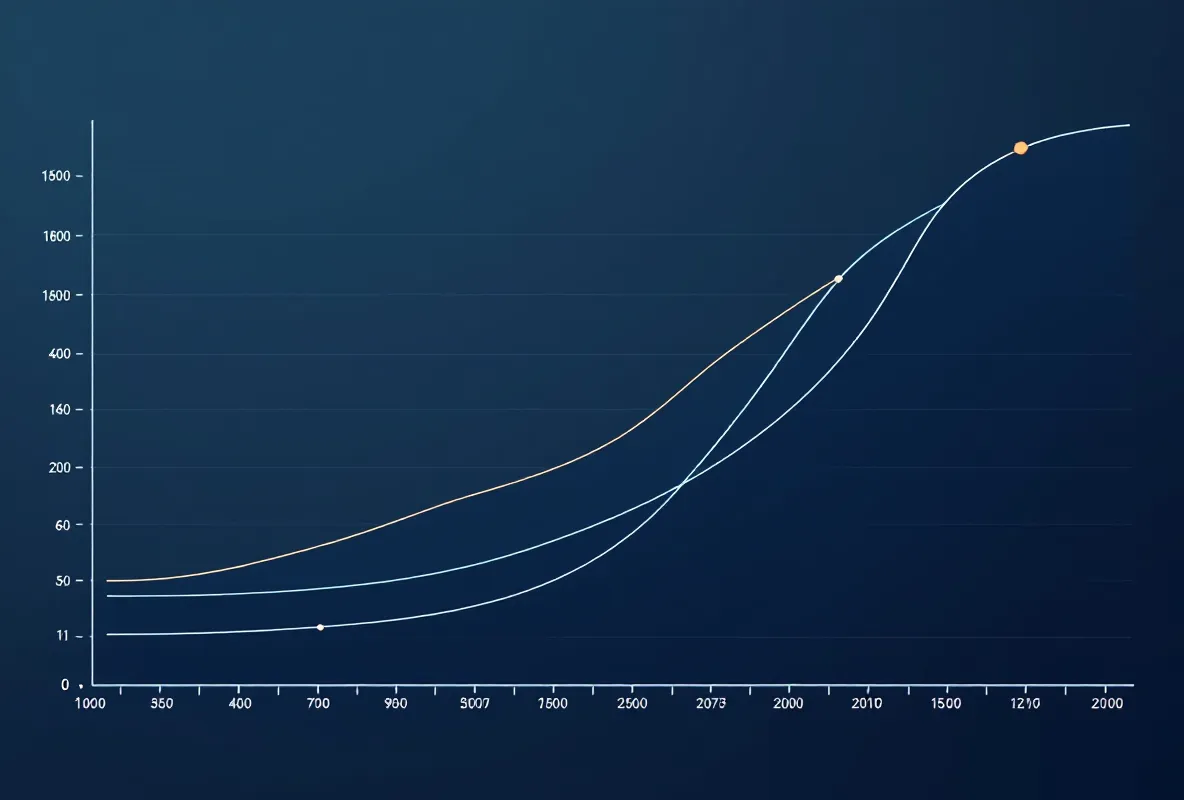
How did tirzepatide weight loss compare in SURMOUNT-5?
2025: SURMOUNT-5 compared the medicines in 751 adults with obesity. Patients knew their assigned medicine; none had type 2 diabetes. Chance chose the treatment, which continued weekly for 72 weeks [5]. Side effects limited the highest study amount each patient reached.
Tirzepatide amounts were 10 or 15 milligrams, depending on tolerance. Semaglutide amounts were 1.7 or 2.4 milligrams, also depending on tolerance. Milligrams measure medicine inside each shot rather than your weight. This was the first large direct weight comparison of these medicines.
At week 72, tirzepatide weight loss averaged 20.2% of starting weight. The semaglutide average was 13.7% of the weight before treatment. Chance alone couldn't readily explain the size of that difference. Your own illnesses and side effects still affect the treatment choice.
Waist size fell more in people receiving tirzepatide during treatment. Losses of at least 10%, 15%, 20%, or 25% were also more frequent. These comparisons show how often people reached different weight-loss amounts.
What kept tirzepatide weight loss from returning in SURMOUNT-4?
2024: SURMOUNT-4 followed weight after the first period of treatment [9]. The study enrolled 670 patients following a 36-week period of tirzepatide. Average loss during that opening period had reached 20.9%. Chance then assigned continued tirzepatide or placebo for another 52 weeks.
Between week 36 and week 88, continued medicine brought 5.5% more loss. The placebo group gained back 14.0% during the same period. These changes were measured from weight when the groups separated. Much of the earlier benefit therefore reversed when the medicine stopped.
By week 88, 89.5% continuing medicine preserved at least 80% of earlier loss. Only 16.6% receiving placebo preserved that share of the earlier loss. Continued medicine helped far more people retain the earlier benefit.
From week 0 to week 88, continued tirzepatide brought 25.3% total loss. The placebo group still had 9.9% total loss from starting weight. Continued care mattered beyond the early fall in weight readings. Your doctor weighs that continuing need against possible harm from medicine.
2026: SURMOUNT-MAINTAIN tested ongoing care with 5 milligrams of medicine [12]. Total loss at week 112 was 16.6%, against 9.9% with placebo. The lower continuing amount preserved much of the earlier weight loss.
2025: After semaglutide or tirzepatide stopped, a review found average regain of 9.69 kilograms [21]. The paper's 95% confidence range showed uncertainty about the exact amount regained. Patients differed, but the finding was that lost weight returned. The Tirzepatide effects page explains regain alongside possible treatment harms.
How much muscle came off during Tirzepatide weight loss?
SURMOUNT-1 X-ray scans put fat at about 75% of the weight lost [18]. The other 25% came from tissue besides fat, including muscle. A review's middle result put muscle at 28% of weight loss [19]. Half its results were higher and half were lower.
Another review compared the amount of tissue loss with a decade or longer of aging [20]. That comparison concerned tissue amount, rather than becoming equally weak. The authors discussed strength exercise as a possible way to preserve muscle. Effects on daily strength remain uncertain, especially when your strength is already limited.
During tirzepatide weight loss, a smaller waist doesn't describe every bodily change. Less muscle can make everyday tasks harder alongside the lower weight. The Tirzepatide effects page gives other concerns about muscle and safety.